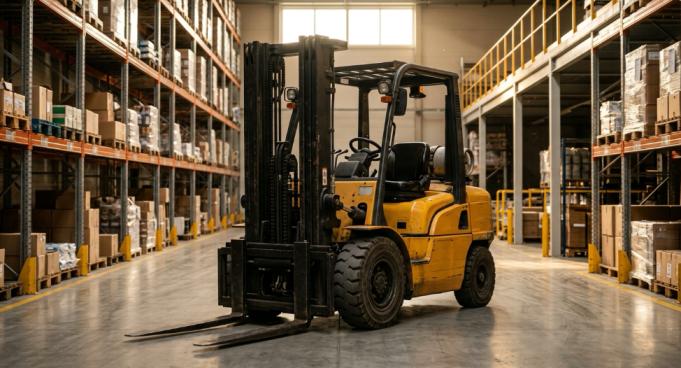
Why Regular Forklift Maintenance Shouldn’t Be Skipped
Forklifts are workhorses in warehouses and job sites, often running for hours at a stretch under demanding conditions. Like any heavy equipment, they depend on consistent upkeep to keep operating safely and efficiently, yet maintenance is one of the first things to get deprioritized when businesses get busy.
The Real Cost of Deferred Maintenance
Skipping scheduled maintenance might seem like a reasonable way to save time or money in the short term, but the costs tend to resurface later, usually at a less convenient moment and often at a higher price than routine servicing would have cost.
Safety Risks Compound Over Time
A forklift with worn brakes, faulty hydraulics, or compromised steering isn’t just an operational inconvenience — it’s a genuine safety hazard for operators and anyone working nearby. Regular forklift service catches these issues early, before they become the kind of failure that leads to an accident.
Downtime Affects the Whole Operation
When a forklift breaks down unexpectedly, it rarely affects just that one piece of equipment. Entire workflows can grind to a halt while replacement equipment is sourced or repairs are arranged, creating ripple effects across a warehouse or job site that a bit of preventative care could have avoided.
Extending the Equipment’s Lifespan
Well-maintained forklifts simply last longer. Regular servicing addresses wear before it compounds into more serious mechanical problems, which means businesses get more usable years out of their investment compared to equipment that’s only serviced reactively.
Building a Maintenance Schedule That Works
Rather than treating maintenance as an occasional afterthought, businesses benefit from establishing a consistent schedule based on manufacturer recommendations and actual usage patterns. This turns maintenance into a predictable operational cost rather than a source of unexpected disruption.
An Investment That Pays for Itself
Regular maintenance isn’t an added expense so much as a form of insurance against much larger costs down the line. Businesses that prioritize it consistently tend to spend less overall, while also reducing the safety risks that come with equipment left to deteriorate unchecked.
Training Operators to Spot Early Warning Signs
Maintenance shouldn’t rest solely on scheduled service appointments. Operators who use equipment daily are often the first to notice subtle changes — a new sound, a slower response, a slight vibration — and training them to report these signs promptly can catch problems well before a scheduled inspection would have, saving both time and expense down the line.
Keeping Detailed Service Records
A thorough maintenance history isn’t just useful for tracking upkeep — it also protects resale value and helps diagnose recurring issues more quickly. Businesses that keep detailed, organized records tend to spend less time troubleshooting when something does eventually go wrong.
Choosing a Maintenance Provider You Trust
Just as with any specialized equipment, the quality of the technician performing maintenance matters as much as the frequency of servicing itself. Working with a provider who has genuine experience with your specific equipment brand and model tends to catch issues that a less specialized technician might overlook entirely.
Weighing In-House Versus Outsourced Maintenance
Larger operations sometimes consider bringing maintenance in-house, while smaller businesses typically rely on external providers. The right choice depends on fleet size, available expertise, and how much control you want over scheduling — but either way, consistency matters more than which model you choose.
Making Maintenance Part of Daily Operations
The most successful forklift maintenance programs treat basic checks as part of the daily routine rather than a separate administrative task. A quick pre-shift inspection, taking only a few minutes, can catch obvious issues before a machine is even put into service for the day, adding another layer of protection beyond scheduled servicing alone.
Creating a Culture Where Maintenance Isn’t an Afterthought
Businesses that treat maintenance as a shared responsibility, rather than something only management thinks about, tend to see fewer surprises overall. Encouraging operators to take genuine ownership of the equipment they use daily builds exactly this kind of culture over time.
The Long-Term Payoff of Consistency
None of these practices need to be complicated to be effective. What matters most is consistency — showing up for scheduled forklift service appointments and daily checks alike, rather than treating maintenance as optional whenever things get busy.
A Habit That Protects Everything Else
Consistent maintenance ultimately protects more than just the equipment itself — it protects operators, timelines, and the broader trust a business builds with its own customers by reliably delivering on time, day after day. That trust, once earned through consistency, becomes one of the more valuable and least visible assets a business can build.
One thought on “Why Regular Forklift Maintenance Shouldn’t Be Skipped”