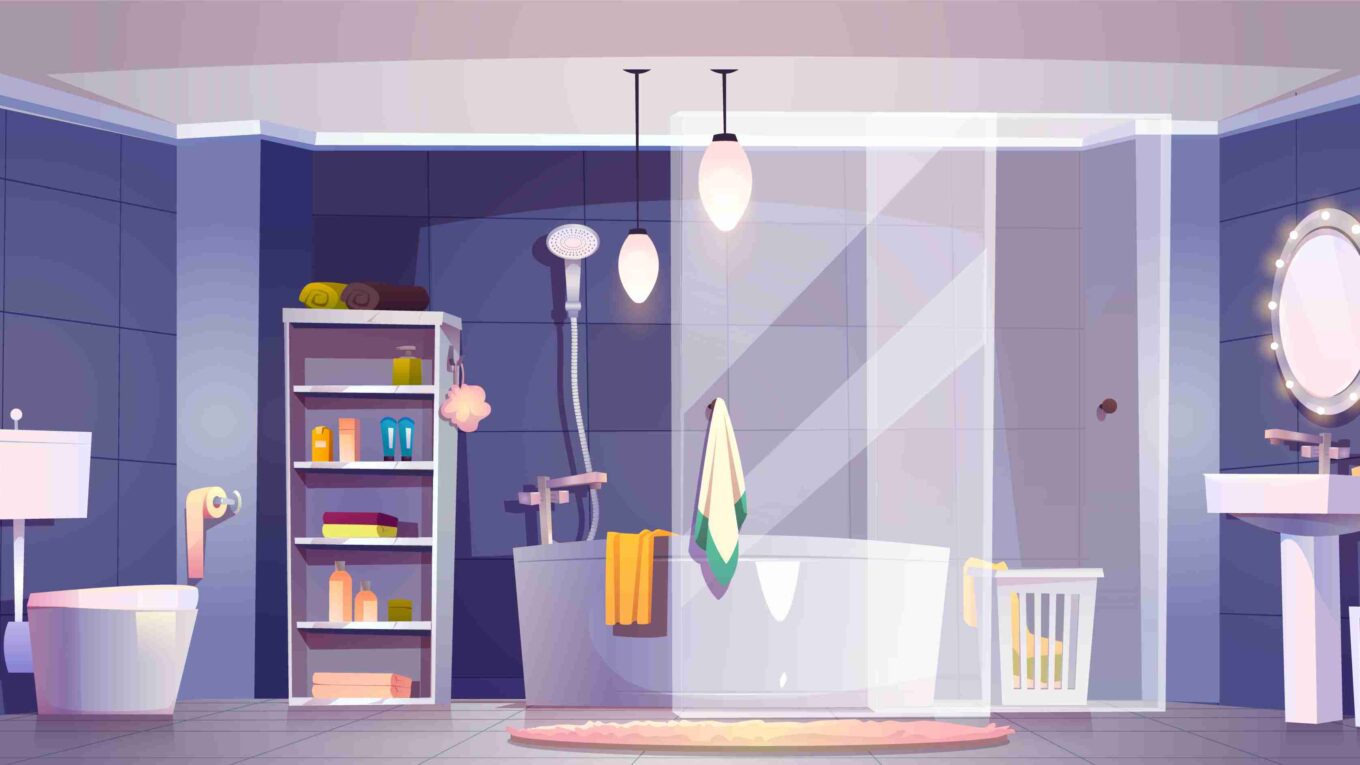
How Smart Technology is Transforming Home Bathrooms
The bathroom has traditionally been one of the slowest rooms in the house to change, often keeping the same fixtures for a decade or more without much thought. That is beginning to shift as smart technology finds its way into everyday household routines, bringing genuine functional improvements to a space that has, until recently, been largely overlooked by innovation.
Understanding how this shift is actually playing out, rather than relying on marketing buzzwords, helps households make more informed decisions about which upgrades are worth the investment.
From Novelty to Necessity
Smart bathroom products were once viewed as luxury indulgences, more about impressing guests than solving real problems. That perception has faded as the practical benefits of these products have become clearer. Improved hygiene, added comfort, and genuine convenience have shifted smart bathroom fixtures from a niche interest into something many households now consider a sensible, mainstream upgrade.
This shift mirrors what happened in other areas of home technology, where early scepticism gradually gave way to widespread adoption once the practical value became obvious through everyday use rather than marketing alone. The bathroom, once the last room to see meaningful innovation, is now catching up quickly.
How Electronic Fixtures Actually Improve Daily Life
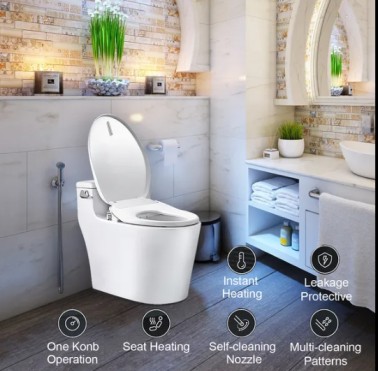
Modern electronic bidet seats sit at the centre of this shift, offering features like adjustable water temperature, heated seating, and personalised settings that genuinely change how comfortable and hygienic a daily bathroom routine feels. For many households, the appeal is less about technology for its own sake and more about the tangible improvement to something used multiple times every single day.
Because these products are used so frequently, even small comfort improvements compound significantly over time, which explains why household satisfaction with this category tends to be notably high compared to more novelty-driven smart home products.
Accessibility and Independence Benefits
Beyond general comfort, smart bathroom technology has meaningful accessibility benefits for elderly household members or anyone with limited mobility. Features that reduce the need for awkward movement or excessive physical effort can make a genuine difference to daily independence, allowing more people to manage their own bathroom routines comfortably and with dignity.
This accessibility angle is increasingly recognised by aged care providers and occupational therapists, who often now include these upgrades as a practical recommendation for households supporting elderly or less mobile family members.
The Role of Reliability in Long-Term Satisfaction
As with any technology-driven product, reliability matters enormously to long-term satisfaction. A feature-rich unit that frequently malfunctions quickly becomes a source of frustration rather than convenience. This is why build quality, brand reputation, and warranty coverage deserve just as much attention as the feature list when comparing options.
Households that prioritise reliability alongside features tend to report far higher satisfaction over the life of the product, reinforcing that thoughtful selection matters more than simply choosing the option with the longest specification sheet. A slightly simpler, more dependable unit will almost always outperform a feature-heavy one that breaks down within its first year.
What This Means for Future Bathroom Design
As smart bathroom technology continues to mature, it is increasingly being factored into new home designs and renovation plans from the outset, rather than being added as an afterthought. This forward planning, from power point placement to plumbing configuration, makes future upgrades even simpler for households building or renovating with these products already in mind.
For existing homes, retrofitting remains straightforward in most cases, meaning households do not need to wait for a full renovation to start benefiting from this shift in bathroom design.
Advice for First-Time Buyers
Households considering their first electronic bidet seat often benefit from starting with a mid-range model rather than either the cheapest or most expensive option available. This gives a realistic sense of core features and everyday performance without an excessive initial outlay, and it provides a useful reference point for any future upgrade decisions the household might make.
Speaking directly with a specialist retailer, rather than relying solely on online listings, also helps first-time buyers avoid common pitfalls around compatibility and installation, ensuring the transition to smart bathroom technology feels smooth rather than stressful.
Smart technology has quietly transformed one of the most overlooked rooms in the modern home, turning the bathroom into a space where genuine comfort, hygiene, and accessibility improvements are now realistically achievable. What began as a niche interest has become a mainstream consideration for households looking to modernise practically rather than purely cosmetically.
As adoption continues to grow, it is likely that smart fixtures will become as standard in bathroom planning as they already are in kitchens and living spaces, marking a genuine and lasting shift in how Australians think about this part of the home. Households that make the switch now are simply getting ahead of a trend that is only likely to become more widespread in the years ahead.
One thought on “How Smart Technology is Transforming Home Bathrooms”