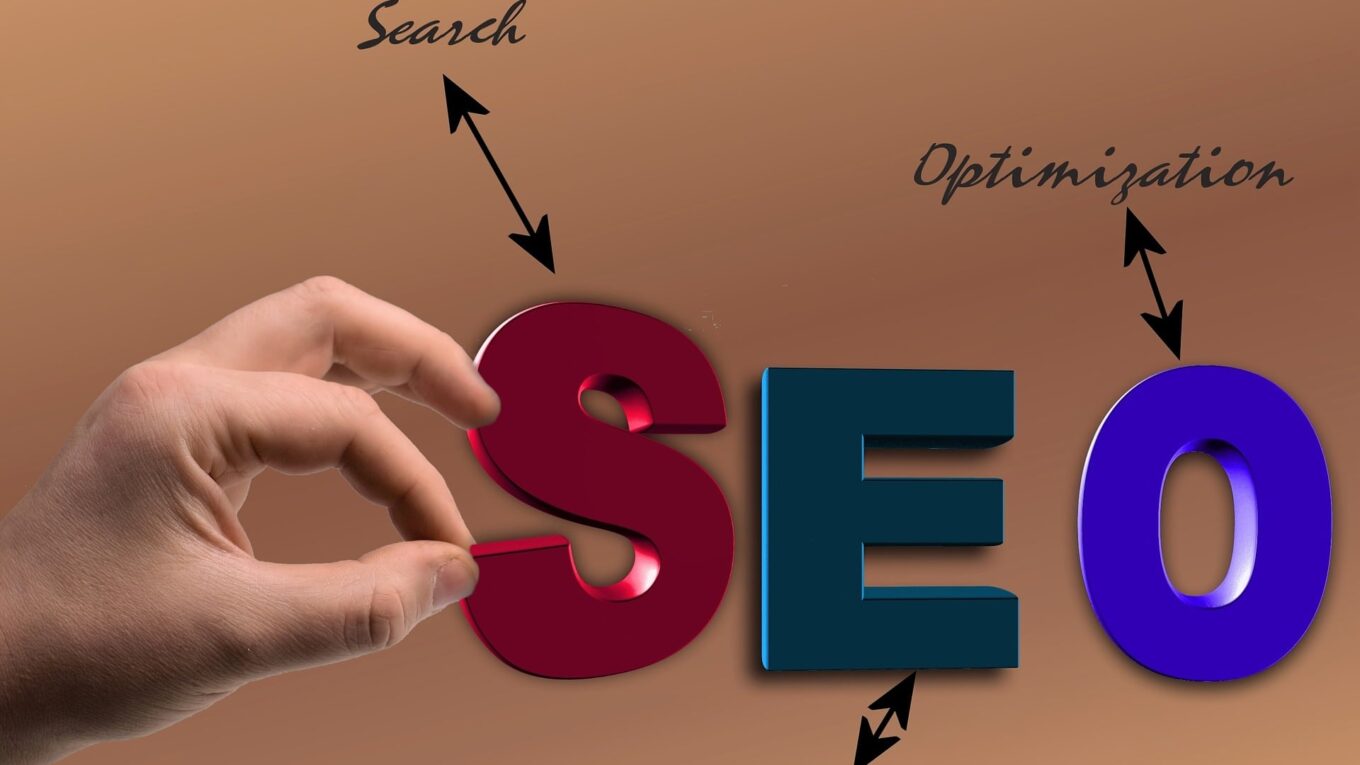
Search Engine Optimization (SEO) for Long-Term Organic Growth
SEO isn’t just some fancy tech trick—it’s about making sure people actually find your website when they search. The real goal? You want Google, Bing, or Yahoo to look at your site and go, “Yep, that’s useful and trustworthy.” Get that right, and you start climbing up those search results where everyone wants to be. Since search engines have mountains of pages to sift through, you can’t just hope for the best. You need to fine-tune everything—your content, your site’s setup, all of it—so users can easily spot you.
There are three main pieces to this game: on-page, off-page, and technical SEO. On-page’s the obvious stuff—using good keywords, writing titles that grab attention, and crafting meta descriptions that make folks want to click. Off-page happens behind the curtain. It’s about getting respected sites to mention or link to you, which really makes search engines pay attention. Technical Search Engine Optimization is the nuts and bolts. If your site takes forever to load, looks weird on phones, or confuses search engines, you might as well not exist. Mess up any of these areas, and your progress can stall fast.
Why SEO is a Long-Term Strategy
People want quick wins, but SEO’s not instant—it’s a long game. Sometimes it takes months, maybe close to a year, especially if you’re chasing competitive keywords. But once you start rising in the rankings, you get steady, free traffic. No more throwing cash at ads every week. Plus, visitors trust those organic spots way more than paid ads, so your reputation climbs. Social media traffic fizzles out fast, but SEO keeps working behind the scenes. Start now, and your competition will scramble just to catch up.
Keyword Research: Your Starting Line
Seriously, don’t guess—figure out what your audience actually searches for. Focus on extremely specific words, such as “best running shoes for flat feet,” after starting broad. People are prepared to purchase at that point.Think about where they are in their journey: Are they just curious, comparing options, or about to make a purchase? Tools like Google Keyword Planner, Ahrefs, and SEMrush help a ton. If you do this well, people will find your pages when they need them.
On-Page SEO: Write for Humans, Not Robots
Once you snag your keywords, work them into your titles, but don’t go overboard. Keep it short—under 60 characters—so titles show up properly in search results. Meta descriptions won’t boost your rankings, but they’re what get people to actually click, so make them snappy and keep them under 160 characters.
Don’t dump blocks of text on people. Break things up with clear headings. Put your best keywords up top. Google cares about E-E-A-T: experience, expertise, authority, trust. So put real value on the page, skip the fluff, and link to other pages on your site. Add descriptive alt text to your images and make sure they load fast. These details might seem tiny, but they all matter.
Technical SEO: Let Your Content Shine
If your site’s slow or buggy, folks bail. Technical SEO’s all about letting search engines get to your pages and understand them. Aim for load times under 2.5 seconds. Since most visits come from phones, your site has to look—and work—great everywhere. Don’t forget HTTPS for security.
Set up an XML sitemap so search engines can find their way around. Fix broken links ASAP. Structured data makes your content show up with cool extras—star ratings, FAQ snippets, that sort of thing. Tools like Screaming Frog, Ahrefs Site Audit, and Google Search Console are your secret weapons for spotting problems before they hurt your traffic.
Off-Page SEO: Strengthen Trust
High-quality backlinks from reputable websites help boost your site’s authority and credibility. Whenever respected websites link to you, search engines treat your pages as more trustworthy.
The best links come from guest posts, media shout-outs, or making content people genuinely want to share: think deep guides or eye-catching infographics. Social shares don’t bump up rankings directly, but they do get your pages seen by more people.
Always pick quality over quantity. One strong backlink beats a dozen weak ones every single time.

Measuring SEO Success
If you’re not tracking your progress, you’re just guessing. Use Google Analytics to see who’s visiting your site. Ahrefs and SEMrush help you monitor your keyword performance. Google Search Console shows technical snags and click stats. Watch your backlinks with Ahrefs or Moz. Page Speed Insights tells you how fast your site loads and how you stack up on the Core Web Vitals. Get a baseline, check your stats every month, and tweak based on real numbers—not gut feelings.
The SEO Mindset: Consistency Wins
SEO never sits still. Search engines shift, competitors get smarter, trends change. The folks at the top just keep putting out solid content, snagging new backlinks, and keeping their sites sharp.
Stick with it. When you stop paying for ads, they disappear, but SEO continues to generate traffic year after year. Stay consistent, keep improving, and before you know it, you’ll be the site everyone else is chasing.
2 thoughts on “Search Engine Optimization (SEO) for Long-Term Organic Growth”