

Mechanical Watches in a Smartwatch World: Why Craftsmanship Still Captivates
Smartwatches have become ubiquitous. They track steps, monitor heart rates, display messages, play music and pay for coffee. By almost any practical measure, they are more capable than any traditional watch. And yet, demand for fine mechanical watches has remained remarkably strong. Collectors queue for new releases, auction houses report record prices and younger buyers are discovering the appeal of watches powered by springs and gears rather than batteries and software.
Why do mechanical watches continue to captivate in an age of digital convenience? Keep reading to know the answer:
A Miniature Marvel of Engineering
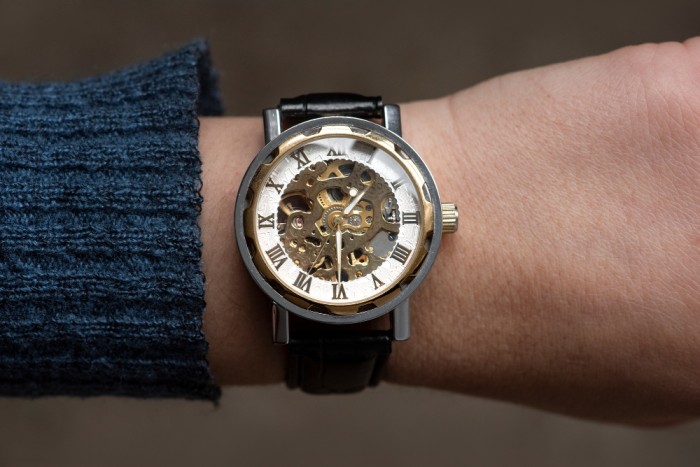
A mechanical watch is an extraordinary piece of engineering. Hundreds of tiny components, many smaller than a grain of rice, work together to keep time without electricity. A mainspring stores energy, a gear train transmits it, an escapement regulates its release and a balance wheel oscillates with remarkable consistency, often several times per second.
Complications, such as chronographs, moon phases, perpetual calendars and minute repeaters, add further layers of complexity. Some high-end watches contain several hundred parts, assembled and finished by hand.
Craftsmanship and Heritage
Many watchmaking houses have histories stretching back more than a century. Their techniques have been refined over generations, with skills passed from master to apprentice. Hand finishing, including polishing, engraving and decorating movements, reflects artistry that machines cannot fully replicate.
Owning a fine watch connects the wearer to this heritage, a tangible link to a craft that has endured through centuries of technological change.
Longevity Versus Obsolescence
Smartwatches, like phones, tend to become outdated within a few years. Batteries degrade, software stops being supported and new models make older ones feel obsolete. A well-made mechanical watch, by contrast, can last for generations with proper servicing.
This longevity appeals to people who value objects built to last, rather than devices designed to be replaced.
Personal Expression
Watches are among the few accessories many people wear every day. They express personal style, taste and values. A classic dress watch suggests understated elegance. A dive watch speaks of adventure. A vintage piece tells a story. Unlike smartwatches, which often look similar, mechanical watches offer enormous variety in design, materials and character.
Emotional Connection
Watches often carry emotional significance. They mark milestones such as graduations, promotions, weddings, anniversaries and retirements. Many are passed down through families, carrying memories of the people who wore them. This emotional dimension gives mechanical watches meaning beyond their function.
Buying With Confidence
Purchasing a fine watch is a significant investment. Choosing a reputable luxury watch retailer gives buyers access to expert advice, authenticated timepieces and after-sales support, helping them find a watch that suits their style, budget and lifestyle while feeling confident in its provenance.
Knowledgeable staff can explain movements, materials, complications and servicing requirements, helping buyers make informed decisions. Trying several watches on the wrist side by side often settles questions about size and style far faster than any amount of online research.
Understanding Value
Some luxury watches hold their value well, and certain models have appreciated significantly over time. However, buying watches purely as investments carries risks, as market trends can change. Most enthusiasts recommend buying watches you love and will enjoy wearing, with any appreciation considered a bonus.
Wearing Both
Many people wear both a smartwatch and a mechanical watch, choosing based on the occasion. A smartwatch might accompany a morning run, while a mechanical watch suits a business meeting or evening out. The two are not mutually exclusive.
Caring for a Mechanical Watch
Mechanical watches require care. Regular servicing, typically every few years depending on the manufacturer’s recommendations, keeps movements running accurately. Avoid exposing watches to strong magnets, extreme temperatures and impacts. Check water resistance before swimming, and have it tested periodically.
Automatic watches wind themselves through wrist movement, but may need manual winding or a watch winder if not worn regularly.
The Collector Community
Watch collecting has a vibrant community, with enthusiasts sharing knowledge through forums, social media, clubs and events. Collectors often specialise, focusing on particular brands, eras, complications or styles. The community offers friendship, learning and shared appreciation.
For newcomers, the community is also a valuable source of advice. Experienced collectors can explain the differences between references, warn against common pitfalls and share stories about pieces they wish they had kept. Many lifelong collectors trace their passion back to a single watch, often one that belonged to a parent or grandparent, and the conversations that started around it. Local meetups and retailer events are good places to start, with people happy to let you try on pieces you might never see otherwise.
Timeless Appeal
Mechanical watches endure because they offer something technology cannot replace: craftsmanship, heritage, longevity and meaning. In a world of constant upgrades and digital noise, a beautifully made watch ticking quietly on the wrist is a reminder that some things are worth keeping for a lifetime.
