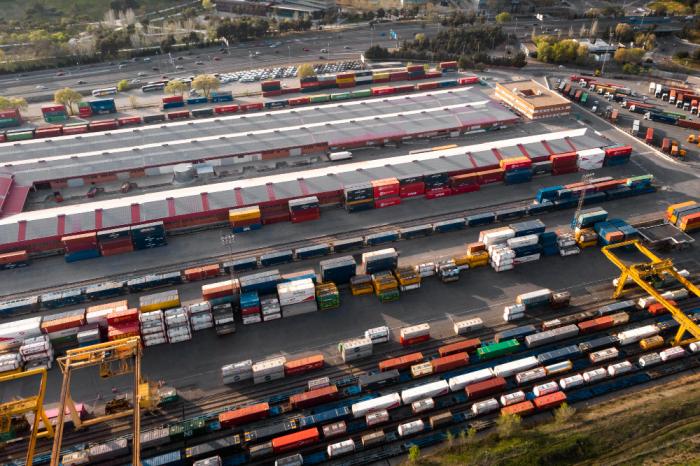
The Trucking Industry: Backbone Of Modern Economies
The trucking industry is one of the most important pillars of global trade and domestic commerce. It plays a central role in transporting goods from manufacturers to warehouses, distribution centers, and finally to consumers. Despite often working behind the scenes, trucking is essential to keeping supply chains moving and economies functioning smoothly. From food and clothing to construction materials and electronics, nearly everything people use in daily life has spent time on a truck.
The Role of Trucking in Supply Chains
Trucking is the most flexible and widely used mode of freight transportation in many countries. Unlike rail, air, or maritime shipping, trucks can deliver goods directly to nearly any location with road access. This “door-to-door” capability makes trucking indispensable, especially for short and medium distances.
In supply chains, trucks often handle the “last mile” of delivery—the final step where goods are transported from distribution hubs to retail stores or homes. This stage is particularly important in the age of e-commerce, where customers expect fast and reliable delivery. Companies like Amazon, Walmart, and numerous logistics providers depend heavily on trucking networks to meet consumer demand.
Economic Importance
The trucking industry is a major contributor to national economies. In countries like the United States, it moves the majority of freight by weight and generates hundreds of billions of dollars in revenue annually. It also supports millions of jobs, including truck drivers, dispatchers, mechanics, warehouse workers, and logistics planners.
Beyond direct employment, trucking also supports industries such as manufacturing, agriculture, retail, and construction. For example, farmers rely on trucks to transport produce to markets, while construction companies depend on heavy-duty trucks to deliver materials like cement, steel, and gravel.
Because of its widespread impact, the trucking industry is often considered a barometer of economic health. When freight demand increases, it usually signals growing economic activity. Conversely, a slowdown in trucking can indicate a cooling economy.
Types of Trucking Services
The trucking industry is not uniform; it includes several types of services designed to meet different transportation needs:
- Full Truckload (FTL): Large shipments that fill an entire trailer.
- Less Than Truckload (LTL): Multiple shipments share space in one truck.
- Refrigerated Trucking (Reefer): Temperature-controlled transport for perishables.
- Specialized Hauling: Oversized or heavy equipment transport.
Each category requires different equipment, regulations, and expertise, making the industry highly diverse.
Technology and Innovation
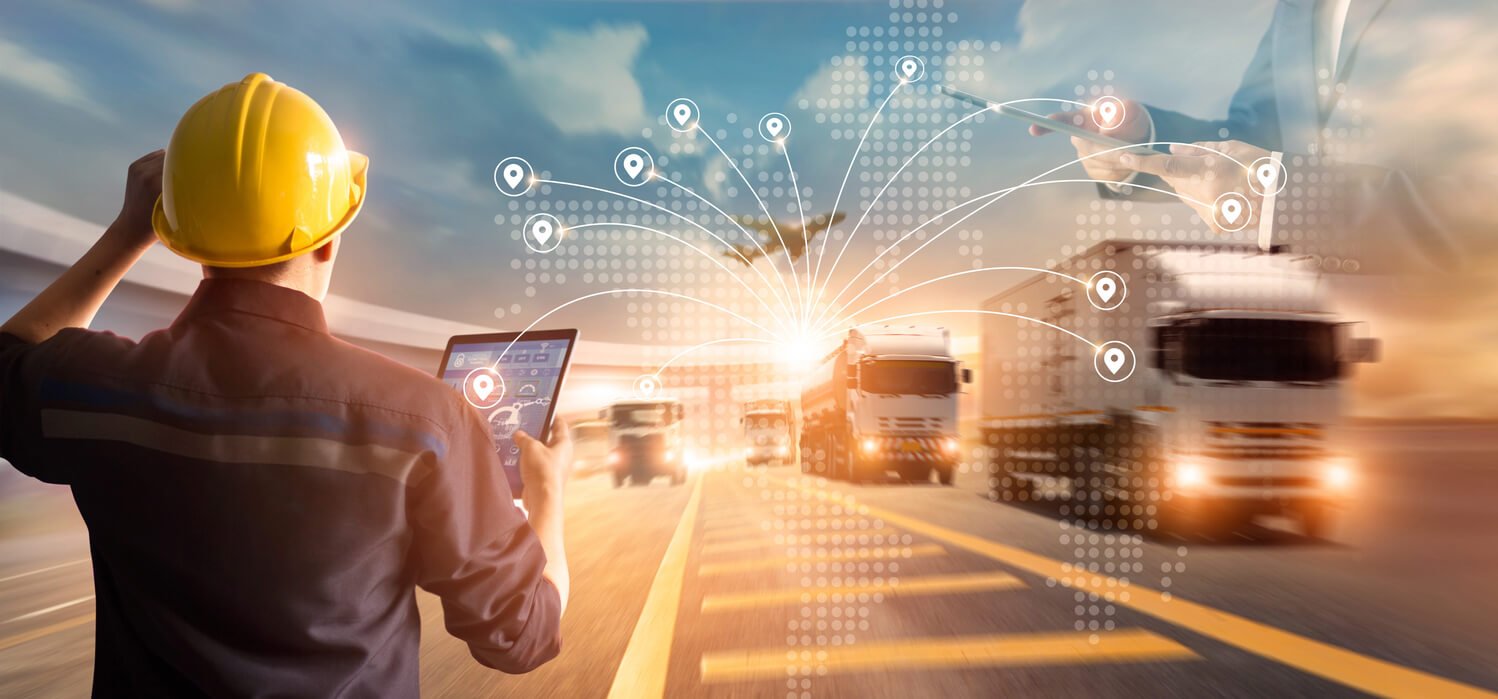
In recent years, technology has transformed the industry. Modern trucks are equipped with GPS tracking, digital logbooks, fuel-efficient engines, and advanced safety systems. Fleet management software allows companies to monitor routes, optimize fuel usage, and improve delivery times.
Telematics systems collect real-time data on vehicle performance, driver behavior, and traffic conditions. This helps companies reduce costs and increase efficiency.
Another major innovation is autonomous trucking, which is still developing but has the potential to reshape the industry in the future.
Challenges Facing the Industry
Despite its importance, the trucking industry faces several ongoing challenges. One major issue is the shortage of qualified drivers, driven by long hours and demanding schedules. Fuel costs also significantly impact operations, as diesel prices fluctuate. Regulations related to safety, emissions, and driving hours increase compliance requirements for companies.
Maintenance is another critical concern. For example, keeping vehicles in good condition often depends on reliable service providers such as a durable and fast-response tyre shop, which helps prevent delays caused by tire failures or breakdowns.
Environmental concerns are also pushing the industry toward cleaner technologies such as electric and hydrogen-powered trucks.
The Impact of E-Commerce
The rise of e-commerce has significantly changed the trucking industry. Consumer expectations for fast delivery have increased demand for efficient logistics networks. Same-day and next-day delivery services require trucks to operate with high precision and speed.
Distribution centers are now often located closer to urban areas to reduce delivery times, increasing short-haul trucking activity.
Future Outlook
The future of the trucking industry is shaped by innovation and sustainability. Electric trucks, automation, and digital freight platforms are expected to improve efficiency and reduce environmental impact.
While automation may change how trucks operate, human drivers will remain essential for many years, especially for complex routes and last-mile delivery.
Conclusion
The trucking industry is a vital component of global commerce, connecting producers and consumers across vast distances. It supports economic growth, enables trade, and ensures the steady flow of goods that society depends on every day. Despite challenges such as driver shortages, fuel costs, and environmental pressures, ongoing innovation ensures that trucking will remain a backbone of modern economies for years to come.
One thought on “The Trucking Industry: Backbone Of Modern Economies”