How Logistics Automation Is Reshaping Modern Supply Chains
The logistics industry is under pressure from every angle. Customer expectations keep rising, margins stay tight, and disruptions have become the norm rather than the exception. Companies that once relied on manual processes and disconnected systems are now finding those approaches too slow and too fragile to keep up. This is where automation steps in, not as a luxury, but as a necessary shift.
Logistics automation is no longer just about reducing labor costs. It is about building resilient, responsive, and intelligent supply chains that can adapt in real time. Businesses that embrace it are not only improving efficiency but also gaining a competitive edge that compounds over time.
The Shift from Manual to Intelligent Operations
Traditional logistics operations rely heavily on manual data entry, siloed systems, and reactive decision-making. While this might work at a small scale, it breaks down quickly as operations grow. Delays in communication, errors in data, and a lack of visibility can create bottlenecks that ripple across the entire supply chain.
Automation changes this dynamic. By connecting systems, standardizing workflows, and enabling real-time data exchange, businesses can move from reactive to proactive operations. Tasks that once took hours can now be completed in seconds, with far fewer errors.
At the center of this transformation is the ability to integrate systems across the logistics ecosystem. Warehouse management, transportation management, order processing, and customer service platforms all need to work together seamlessly. Without integration, automation cannot reach its full potential.
For a deeper look at how this transformation works in practice, explore this guide on logistics automation and how it supports end-to-end supply chain optimization.
Key Areas Where Automation Delivers Impact
Automation is not a single solution. It touches multiple areas of logistics, each contributing to overall performance improvements.
Order Processing
Automated order processing eliminates manual entry and reduces the risk of errors. Orders can be validated, routed, and fulfilled faster, improving both speed and accuracy.
Inventory Management
Real-time inventory tracking ensures that businesses always know what is available and where it is located. This reduces stockouts, prevents overstocking, and improves demand forecasting.
Warehouse Operations
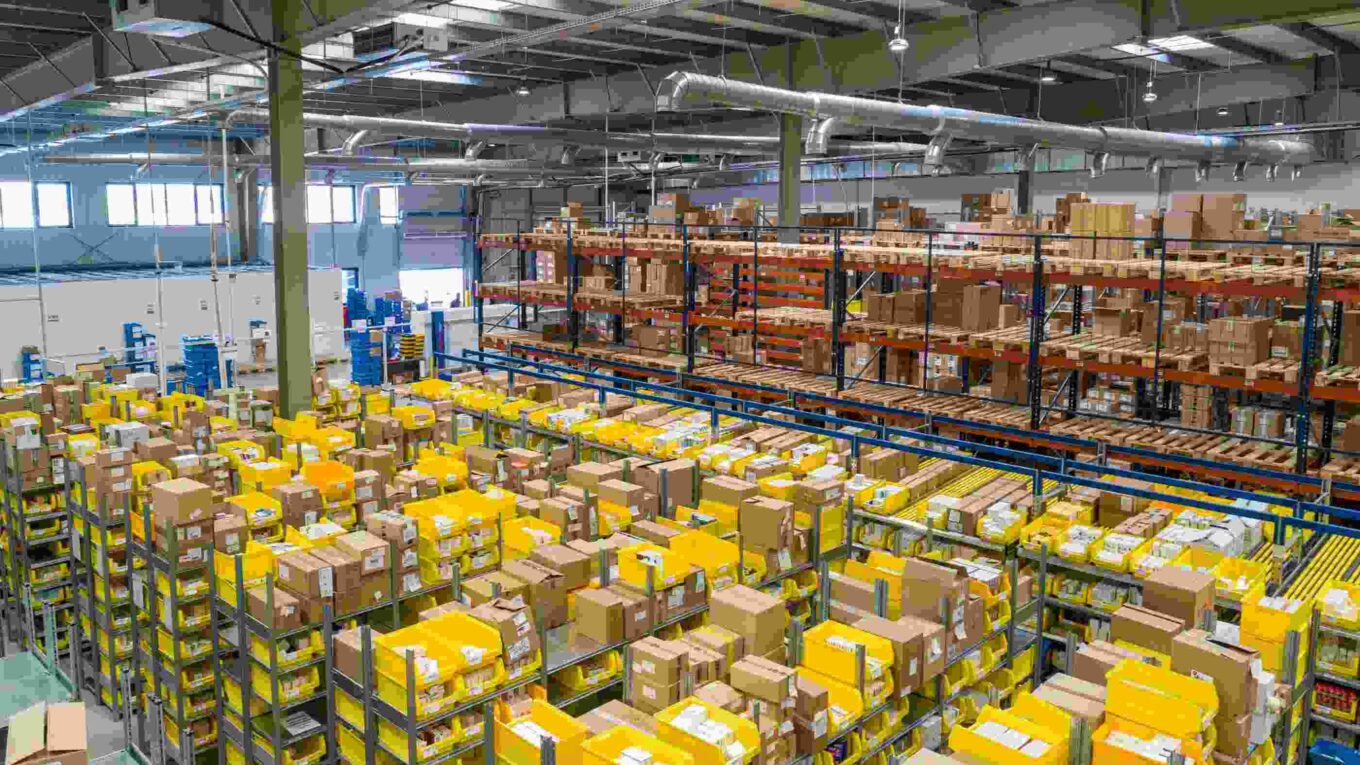
From automated picking systems to robotics and smart routing, warehouses are becoming more efficient and less dependent on manual labor. This leads to faster fulfillment times and lower operational costs.
Transportation and Routing
Automation tools can optimize delivery routes based on traffic, weather, and delivery windows. This not only reduces fuel costs but also improves delivery reliability.
Data and Analytics
Automation generates large volumes of data that can be analyzed to identify trends, inefficiencies, and opportunities for improvement. Businesses can make smarter decisions based on real-time insights rather than guesswork.
The Role of Integration in Automation Success
One of the biggest mistakes companies make is treating automation as a standalone initiative. In reality, automation depends heavily on integration. Without it, systems cannot share data effectively, and processes remain fragmented.
Integration platforms allow businesses to connect applications, synchronize data, and automate workflows across departments. This creates a unified environment where information flows freely, enabling faster and more accurate decision-making.

For example, when an order is placed, an integrated system can automatically update inventory levels, trigger warehouse picking, schedule transportation, and notify the customer. Without integration, each of these steps would require manual intervention, increasing the risk of delays and errors.
Benefits That Go Beyond Efficiency
While efficiency gains are often the most visible benefit of automation, the impact goes much deeper.
Improved Customer Experience
Faster processing times, accurate deliveries, and real-time tracking all contribute to a better customer experience. In a competitive market, this can be a major differentiator.
Scalability
Automated systems can handle increased volumes without a proportional increase in labor. This allows businesses to grow without being constrained by operational limitations.
Resilience
Automation helps businesses respond more effectively to disruptions. Whether it is a sudden spike in demand or a supply chain interruption, automated systems can adapt quickly.
Cost Control
By reducing manual labor, minimizing errors, and optimizing processes, automation helps control costs across the supply chain.
Common Challenges and How to Overcome Them
Despite its benefits, implementing logistics automation is not without challenges. Many organizations struggle with legacy systems, resistance to change, and unclear implementation strategies.
Legacy Systems
Older systems often lack the flexibility needed for modern automation. The solution is not always to replace them entirely, but to use integration tools that can bridge the gap between old and new technologies.
Change Management
Employees may be hesitant to adopt new systems, especially if they fear job displacement. Clear communication, training, and demonstrating the value of automation can help ease this transition.
Data Quality
Automation relies on accurate data. If the underlying data is flawed, the results will be too. Investing in data governance and validation processes is critical.
Implementation Complexity
Automation projects can become complex if not properly planned. Starting with small, high-impact use cases and scaling gradually is often the most effective approach.
What the Future Looks Like
Logistics automation is still evolving. Emerging technologies like artificial intelligence, machine learning, and the Internet of Things are pushing the boundaries even further.
Predictive analytics will enable businesses to anticipate demand and adjust operations before issues arise. Autonomous vehicles and drones may redefine last-mile delivery. Smart sensors will provide real-time visibility into goods as they move through the supply chain.
What is clear is that automation will continue to play a central role in shaping the future of logistics. Companies that invest in it now will be better positioned to adapt to whatever comes next.
Final Thoughts
If you are still relying heavily on manual processes, you are already at a disadvantage. The gap between automated and non-automated operations is widening, and catching up becomes harder over time.
Start by identifying bottlenecks in your current processes. Look for areas where automation can deliver quick wins, then build from there. Focus on integration, because without it, automation efforts will fall short.
Logistics automation is not about replacing people. It is about enabling them to focus on higher-value tasks while systems handle the repetitive work. When done right, it creates a more agile, efficient, and competitive organization.
The companies that understand this shift and act on it are the ones that will define the future of supply chain management.
3 thoughts on “How Logistics Automation Is Reshaping Modern Supply Chains”